

Why is there a water problem?


Why is there a water problem?
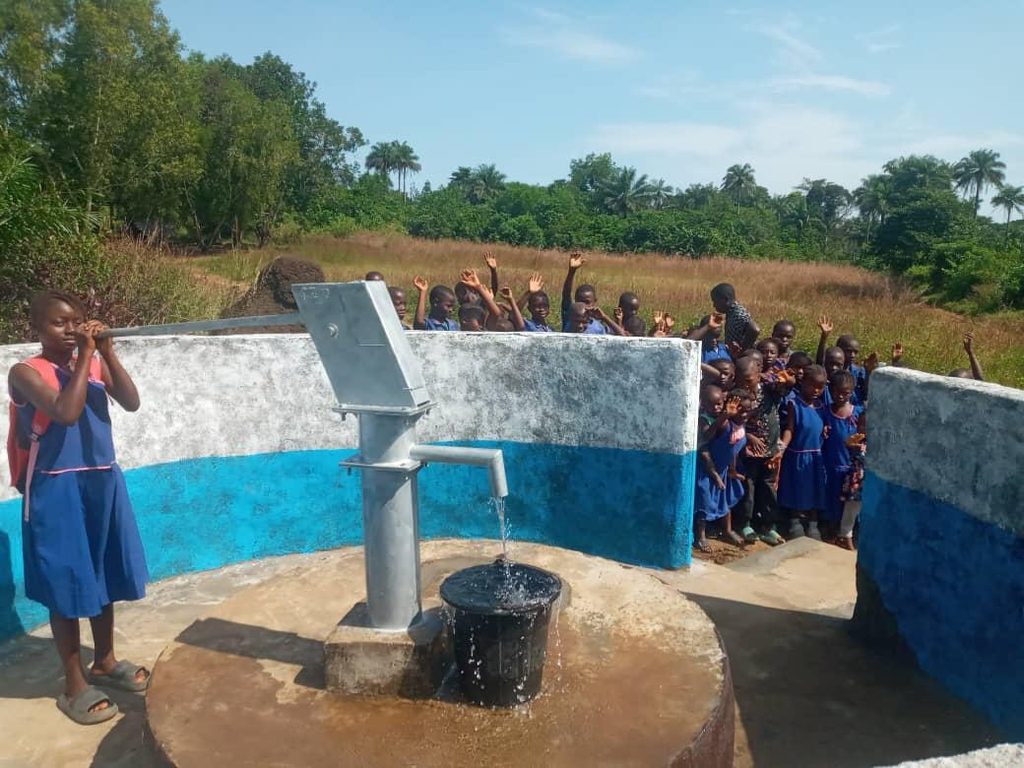
You turn on a tap, water starts to flow. In most of the world, we take it for granted. But if you go back just a few hundred years, in say Europe, most of us got our water from a river or well. That’s where most of rural Africa is today, except there aren’t enough wells, and that’s where we come in, providing safe water via wells.
The problem is particularly acute in rural areas. Most government schemes focus on urban populations. They’re more visible. The grid work of pipes tends to serve them. Remote rural areas are much harder to access, and they tend to get overlooked, or rather, not seen at all.
And most severe sickness and deaths from water borne diseases are children. They have less strength to survive water-borne diseases. That’s why WellBoring focuses on safe water for rural primary schools, where we can make a massive difference.
Many organisations have made a difference. In the past thirty years millions of people have got safe water. It’s hard work, and reaching water underground is never guaranteed, but it can be done.
WellBoring has got safe water to nearly 400 rural schools and communities, and if enough people like you help, we’ll reach a million people in the next few years. That won’t fix the whole problem, but it’s cool to help to transform a million lives.
Where can we get water?
Suppose you want to get safe water for your community: what are your options?
If it rains, from time to time, one option is to catch the rain that falls onto the roof of your buildings, by adding a good guttering system, and some big storage tanks. You have to keep the roofs, gutters and tanks clean.
Rainwater harvesting can work well where there is rainfall all year. But most of Africa has rainy seasons with lots of rain, and little rain the rest of the year, when the tanks tend to empty. WellBoring installed a rainwater harvesting system in the giant slum of Kibera, where drilling conditions were very difficult, but it is disheartening to visit the school in the dry season, when the tanks run dry.
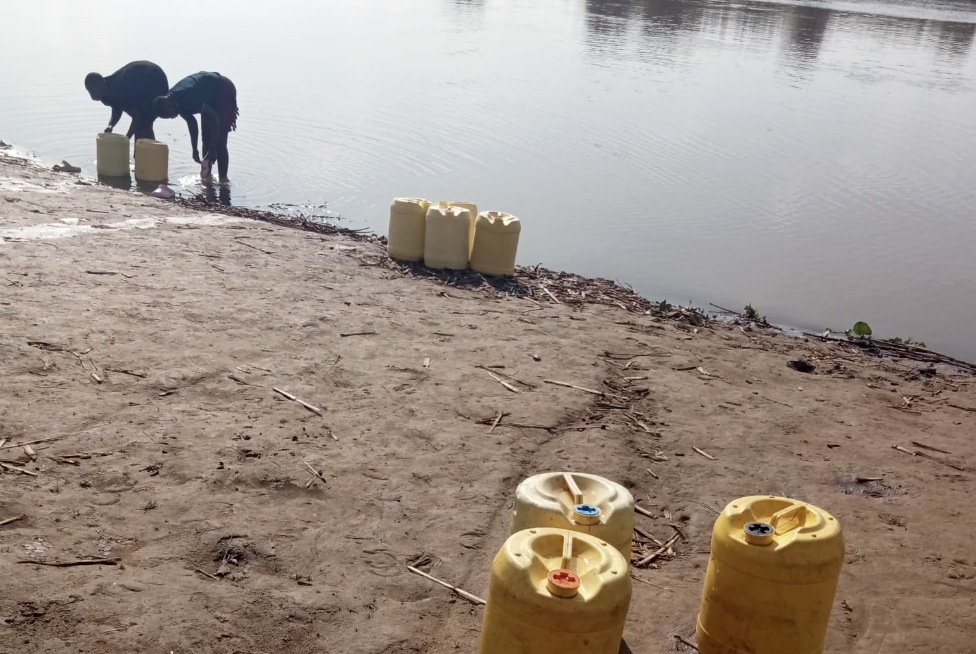
The next level is to catch water at ground level. It’s easy but it’s unhealthy to the point of being dangerous. Ponds, rivers and streams all carry disease. Mountain streams can be an exception, but mostly it’s the fall back when nothing else is available.
Then we go below ground. If you’re in Europe, your water almost certainly comes out of the ground. And most rainfall seeps into the ground, where it replenishes aquifers, layers of sediment and water that lie under ground.
That’s where we almost always go for water, drilling vertically to reach aquifers with sufficient water to provide for a community. The depths at which water may be found vary, but more often than not, there is sufficient water within a depth of 60 m, nearly 200 feet, for local needs.